8 Night / 9 Days
6 Person
From
₹ 10000.00
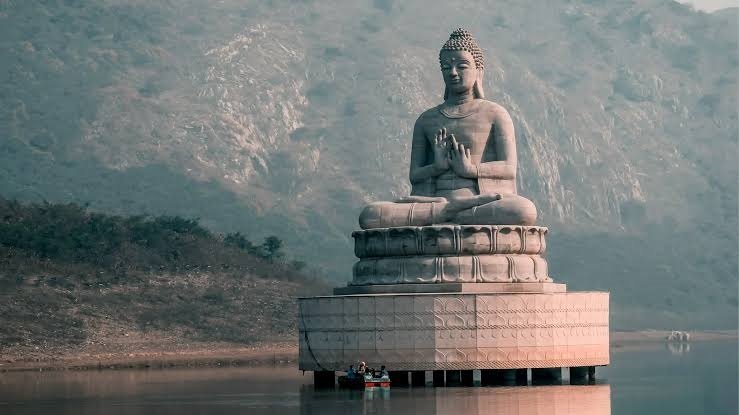
If you are searching for a well-organized Buddhist tour package, this guide covers the complete Buddhist circuit across Bihar and Uttar Pradesh (India) and Lumbini (Nepal) — the exact route once walked by Lord Buddha over 2,500 years ago. This is not a generic sightseeing trip; it is a Buddhist pilgrimage tour built around the four most sacred sites of Buddhism (birth, enlightenment, first sermon, and Mahaparinirvana), plus the major monastic and historical sites in between.
We have organized Buddhist circuit tours for individual pilgrims, family groups, and monastery delegations from Sri Lanka, Thailand, Myanmar, Japan, Vietnam, and Bhutan for over 3 years, with vegetarian meal arrangements, multilingual guide support, and monastery-adjacent hotel bookings.
Bodh Gaya is one of the most important pilgrimage sites in Buddhism. It is believed to be the place where Siddhartha Gautama attained enlightenment under the Bodhi Tree and became the Buddha. The centerpiece of the pilgrimage is the Mahabodhi Temple Complex, a UNESCO World Heritage Site, which is home to a descendant of the original Bodhi Tree and the Vajrasana (Diamond Throne), traditionally regarded as the spot of enlightenment.
More than 20 countries have established monasteries around Bodh Gaya, each reflecting distinctive national Buddhist architecture. Popular places to visit include the Royal Bhutan Monastery, Thai Monastery, Japanese Nippon Temple, and the 80-foot Great Buddha Statue. Early morning is an ideal time to visit the Mahabodhi Temple, when monks gather for prayers and the atmosphere is peaceful.
Rajgir, known as ancient Rajagriha, has a special place in Buddhist history and is associated with many of Buddha's teachings. Griddhakuta (Vulture's Peak) is traditionally associated with several important sermons of Buddha and remains an important pilgrimage destination.
Another major attraction is Venuvana (Bamboo Grove), traditionally regarded as the first monastery donated to the Buddhist Sangha. A short distance from Rajgir, Nalanda offers a fascinating insight into India's ancient Buddhist learning tradition. The excavated ruins of Nalanda Mahavihara represent one of the great ancient centres of learning, which flourished for centuries and attracted monks and scholars from different parts of Asia.
Vaishali holds deep significance in Buddhist history and is associated with important events during the later period of Buddha's life. It is traditionally connected with Buddha's announcement concerning his approaching Mahaparinirvana and with some of his final teachings.
The Ashoka Pillar at Vaishali, featuring a single lion capital, is an important historical monument associated with Emperor Ashoka. The nearby Relic Stupa is traditionally believed to contain a portion of Buddha's relics, making Vaishali an important destination for Buddhist pilgrims and history enthusiasts.
Kushinagar is one of the most sacred destinations on the Buddhist Circuit. It is traditionally regarded as the place where Buddha attained Mahaparinirvana, or final nirvana, at the age of 80.
The Mahaparinirvana Temple houses a famous reclining Buddha statue measuring approximately 6.1 metres in length. The statue represents Buddha in his final moments. Nearby, the Ramabhar Stupa is traditionally associated with Buddha's cremation site.
Kushinagar is also home to monasteries and temples representing different Buddhist traditions and countries. The Wat Thai Kushinagar is particularly notable for its temple architecture and landscaped surroundings.
Lumbini, located in Nepal near the Indian border, is traditionally recognised as the birthplace of Siddhartha Gautama, the Buddha. The main pilgrimage attraction is the Maya Devi Temple, located within the sacred area of Lumbini.
The sacred site also includes the Puskarini Pond, which is traditionally associated with the life of Maya Devi. The Ashoka Pillar, erected during the reign of Emperor Ashoka, is an important historical marker identifying Lumbini with Buddha's birthplace.
The wider Lumbini Sacred Garden contains monasteries and temples established by Buddhist communities from numerous countries, offering visitors an opportunity to experience different Buddhist architectural traditions.
Sarnath, located near Varanasi, is one of the most important Buddhist pilgrimage destinations in India. It is traditionally regarded as the place where Buddha delivered his first sermon after attaining enlightenment. This teaching is known as the Dhammacakkappavattana Sutta, associated with setting the Wheel of Dharma in motion.
The Dhamek Stupa is the principal monument at the site and is traditionally associated with Buddha's first teaching. The Sarnath Archaeological Museum is another important attraction and houses the original Lion Capital of Ashoka, which forms the basis of India's national emblem.
Many Buddhist Circuit tours combine Sarnath with an overnight stay in Varanasi, one of India's most historic cities. Although Varanasi itself is not part of the Buddhist Circuit's core pilgrimage sites, it provides an opportunity to experience India's wider religious and cultural heritage.
An evening Ganga Aarti on the ghats can be included as an optional cultural experience. Visitors should note that the Ganga Aarti is a Hindu religious ceremony and is separate from the Buddhist pilgrimage tradition.
Bodh Gaya is one of the most important pilgrimage sites in Buddhism. It is believed to be the place where Siddhartha Gautama attained enlightenment under the Bodhi Tree and became the Buddha. The centerpiece of the pilgrimage is the Mahabodhi Temple Complex, a UNESCO World Heritage Site, which is home to a descendant of the original Bodhi Tree and the Vajrasana (Diamond Throne), traditionally regarded as the spot of enlightenment.
More than 20 countries have established monasteries around Bodh Gaya, each reflecting distinctive national Buddhist architecture. Popular places to visit include the Royal Bhutan Monastery, Thai Monastery, Japanese Nippon Temple, and the 80-foot Great Buddha Statue. Early morning is an ideal time to visit the Mahabodhi Temple, when monks gather for prayers and the atmosphere is peaceful.
Rajgir, known as ancient Rajagriha, has a special place in Buddhist history and is associated with many of Buddha's teachings. Griddhakuta (Vulture's Peak) is traditionally associated with several important sermons of Buddha and remains an important pilgrimage destination.
Another major attraction is Venuvana (Bamboo Grove), traditionally regarded as the first monastery donated to the Buddhist Sangha. A short distance from Rajgir, Nalanda offers a fascinating insight into India's ancient Buddhist learning tradition. The excavated ruins of Nalanda Mahavihara represent one of the great ancient centres of learning, which flourished for centuries and attracted monks and scholars from different parts of Asia.
Vaishali holds deep significance in Buddhist history and is associated with important events during the later period of Buddha's life. It is traditionally connected with Buddha's announcement concerning his approaching Mahaparinirvana and with some of his final teachings.
The Ashoka Pillar at Vaishali, featuring a single lion capital, is an important historical monument associated with Emperor Ashoka. The nearby Relic Stupa is traditionally believed to contain a portion of Buddha's relics, making Vaishali an important destination for Buddhist pilgrims and history enthusiasts.
Kushinagar is one of the most sacred destinations on the Buddhist Circuit. It is traditionally regarded as the place where Buddha attained Mahaparinirvana, or final nirvana, at the age of 80.
The Mahaparinirvana Temple houses a famous reclining Buddha statue measuring approximately 6.1 metres in length. The statue represents Buddha in his final moments. Nearby, the Ramabhar Stupa is traditionally associated with Buddha's cremation site.
Kushinagar is also home to monasteries and temples representing different Buddhist traditions and countries. The Wat Thai Kushinagar is particularly notable for its temple architecture and landscaped surroundings.
Lumbini, located in Nepal near the Indian border, is traditionally recognised as the birthplace of Siddhartha Gautama, the Buddha. The main pilgrimage attraction is the Maya Devi Temple, located within the sacred area of Lumbini.
The sacred site also includes the Puskarini Pond, which is traditionally associated with the life of Maya Devi. The Ashoka Pillar, erected during the reign of Emperor Ashoka, is an important historical marker identifying Lumbini with Buddha's birthplace.
The wider Lumbini Sacred Garden contains monasteries and temples established by Buddhist communities from numerous countries, offering visitors an opportunity to experience different Buddhist architectural traditions.
Sarnath, located near Varanasi, is one of the most important Buddhist pilgrimage destinations in India. It is traditionally regarded as the place where Buddha delivered his first sermon after attaining enlightenment. This teaching is known as the Dhammacakkappavattana Sutta, associated with setting the Wheel of Dharma in motion.
The Dhamek Stupa is the principal monument at the site and is traditionally associated with Buddha's first teaching. The Sarnath Archaeological Museum is another important attraction and houses the original Lion Capital of Ashoka, which forms the basis of India's national emblem.
Many Buddhist Circuit tours combine Sarnath with an overnight stay in Varanasi, one of India's most historic cities. Although Varanasi itself is not part of the Buddhist Circuit's core pilgrimage sites, it provides an opportunity to experience India's wider religious and cultural heritage.
An evening Ganga Aarti on the ghats can be included as an optional cultural experience. Visitors should note that the Ganga Aarti is a Hindu religious ceremony and is separate from the Buddhist pilgrimage tradition.
Experience the spiritual and historical heritage of Buddhism with our 7 Days Buddhist Pilgrimage Tour. This carefully planned journey covers some of the most significant Buddhist destinations in India and Nepal, including Bodh Gaya, Rajgir, Nalanda, Vaishali, Kushinagar, Lumbini, Sarnath, and Varanasi.
Arrive at Patna or Gaya Airport/Railway Station, where our representative will meet and assist you. Drive to Bodh Gaya, which takes approximately 2 hours depending on the starting point and road conditions.
After check-in and some rest, visit the Mahabodhi Temple in the evening. You can spend peaceful time around the temple complex and experience the evening prayer atmosphere. Overnight stay in Bodh Gaya.
Begin the day with an early morning visit to the Mahabodhi Temple and Bodhi Tree. Spend time in meditation and explore the sacred temple complex associated with Buddha's enlightenment.
Continue sightseeing at some of Bodh Gaya's important Buddhist attractions, including the Great Buddha Statue, Thai Monastery, Bhutanese Monastery, Japanese Temple, Tibetan Karma Temple, and Muchalinda Lake.
The day provides an opportunity to explore the international Buddhist monasteries and experience the spiritual atmosphere of Bodh Gaya. Overnight stay in Bodh Gaya.
After breakfast, depart from Bodh Gaya for Rajgir, an important destination associated with Buddha's teachings. Visit Griddhakuta (Vulture's Peak), traditionally associated with several of Buddha's teachings. The ropeway may be used for access, subject to operation and local conditions.
Continue to Venuvana Monastery, traditionally regarded as an important early Buddhist monastery. After exploring Rajgir, proceed to Nalanda.
Visit the historic Nalanda Mahavihara ruins and the Nalanda Archaeological Museum. The site offers an insight into the ancient Buddhist centre of learning that attracted monks and scholars from different parts of Asia.
After sightseeing, continue the journey to Patna for an overnight stay.
After breakfast, depart from Patna towards Vaishali, an important Buddhist historical site. Visit the Ashoka Pillar and the Relic Stupa, which are among the major attractions associated with the Buddhist heritage of Vaishali.
Continue the journey towards Kushinagar. The drive may take approximately 6 to 7 hours depending on traffic, road conditions, and sightseeing stops. The route offers views of rural landscapes across Bihar and Uttar Pradesh.
Arrive in Kushinagar and check in to your hotel. Overnight stay in Kushinagar.
Start the day with a visit to the Mahaparinirvana Temple, where the famous reclining Buddha statue is located. Continue to the Ramabhar Stupa, traditionally associated with Buddha's cremation site.
After sightseeing, drive towards the Sunauli border and complete the necessary immigration and border formalities before entering Nepal. Continue to Lumbini, the traditional birthplace of Buddha.
Arrive in Lumbini, check in to your hotel, and relax. Overnight stay in Lumbini.
After breakfast, visit the Maya Devi Temple, the Sacred Garden, and the international monastery area of Lumbini. Explore the peaceful surroundings and learn about the site's importance in Buddhist history.
After sightseeing, proceed towards the Nepal-India border and complete the required border formalities before entering India. Continue by road towards Sarnath / Varanasi. The journey may take approximately 5 to 6 hours depending on traffic and road conditions.
Arrive in Varanasi and check in to your hotel. Overnight stay in Varanasi.
After breakfast, visit Sarnath, one of the most important Buddhist pilgrimage destinations in India. Explore the Dhamek Stupa, associated with Buddha's first sermon after enlightenment.
Visit the Sarnath Archaeological Museum, home to the famous Lion Capital of Ashoka, and continue to Mulagandha Kuti Vihar.
If your schedule permits, you can also experience the Ganga Aarti in Varanasi on the previous evening as an optional cultural experience. The Ganga Aarti is a Hindu religious ceremony and is separate from the Buddhist pilgrimage circuit.
After completing the sightseeing, transfer to Varanasi Airport or Railway Station for your onward journey. This marks the end of your 7 Days Buddhist Pilgrimage Tour.
October to March — cool, dry weather across Bihar, UP and Lumbini. Avoid April–June (extreme heat, 40°C+) and the July–September monsoon.
Nearest airports are Gaya (Bodh Gaya) and Patna; Gaya and Varanasi also have direct rail connectivity from Delhi, Mumbai and Kolkata.
Indian nationals do not need a visa for Nepal. Foreign nationals should check Nepal e-visa or on-arrival visa requirements at the Sunauli border before travel — we assist with documentation.
Easy to moderate — mostly walking on flat temple grounds; the Rajgir ropeway to Griddhakuta is optional (stairs also available).
Modest clothing covering shoulders and knees; shoes must be removed before entering temple complexes; photography restrictions apply inside some shrine areas — your guide will advise on-site.
Vegetarian, Jain, and monastery-style meals available on request; most hotels on this route are vegetarian-only near temple zones.
This extended version adds Shravasti (where Buddha spent 24 monsoon retreats — the longest of any single location) and Sankasia (where Buddha is believed to have descended from heaven), giving a more complete pilgrimage experience for travelers with extra time.
After breakfast, check out from the hotel and proceed towards Varanasi for your onward journey. On arrival in Varanasi, you will be transferred to the airport or railway station according to your departure schedule.
Popular Buddhist pilgrimage destinations include Bodh Gaya, Sarnath, Kushinagar, Lumbini, Rajgir, Nalanda, Vaishali and Sravasti. The exact destinations depend on the selected itinerary.
The cooler months are generally more comfortable for sightseeing and pilgrimage tours. October to March is commonly used for Buddhist Circuit itineraries, although tours can be arranged throughout the year depending on weather and traveler preferences.

26 Packages

12 Packages

22 Packages
.png)
5 Packages

7 Packages

13 Packages
.png)
7 Packages

7 Packages
5 Packages
4 Packages
18 Packages
13 Packages
.jpg)
13 Packages
0 Packages
.jpeg)
4 Packages
2 Packages
23 Packages
19 Packages
5 Packages
.jpeg)
9 Packages
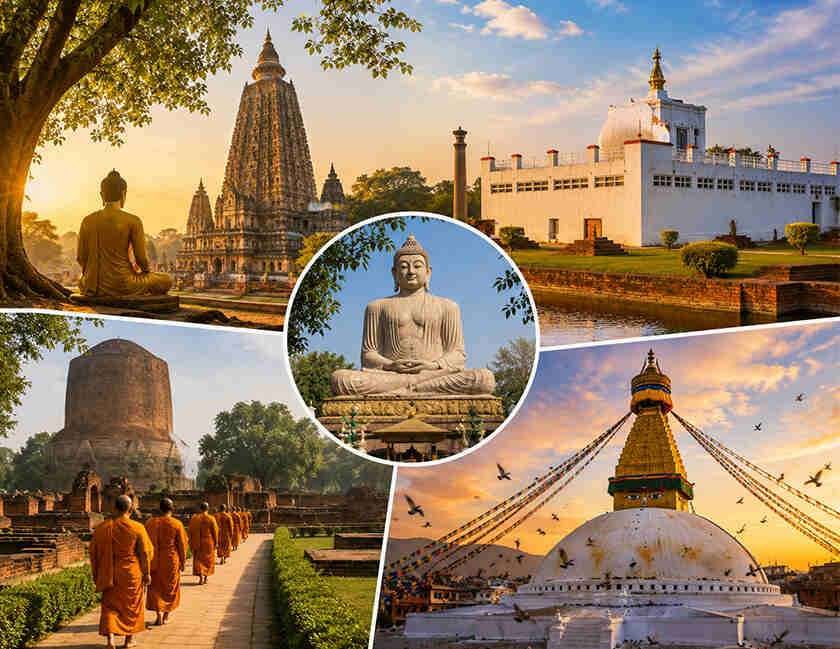
1 Packages

8 Night / 9 Days
6 Person
From
₹ 10,000.00
Travelling with Divya Yatra Pvt. Ltd. was truly an exceptional experience. The team was not only professional but also genuinely caring and attentive to every detail. From start to finish, the journey was smooth, well-managed, and filled with memorable moments. Their commitment to quality service and customer satisfaction truly sets them apart. I wholeheartedly recommend Divya Yatra Pvt. Ltd. to anyone looking for a trustworthy and enriching travel experience.

excellent service Divya yatra pvt ltd thanks 👍
Our tour with Divya Yatra was a true cultural immersion.The guides passionate stories made history feel alive, leaving us with unforgettable memories and a deeper connection to the places we visited. really recommend.
Booked Kailash mansarovar tour ex Kathmandu best service hotel transport gouide
Very nice sarvice Gujarat tour .......good driver and very nice arrangement by tour agent Abhay ji
This is best travel Website ❤️
Booked chardham tour this travel company nice arrangements. Thanks
