2 Night / 3 Days
6 Person
From
₹ 8500.00
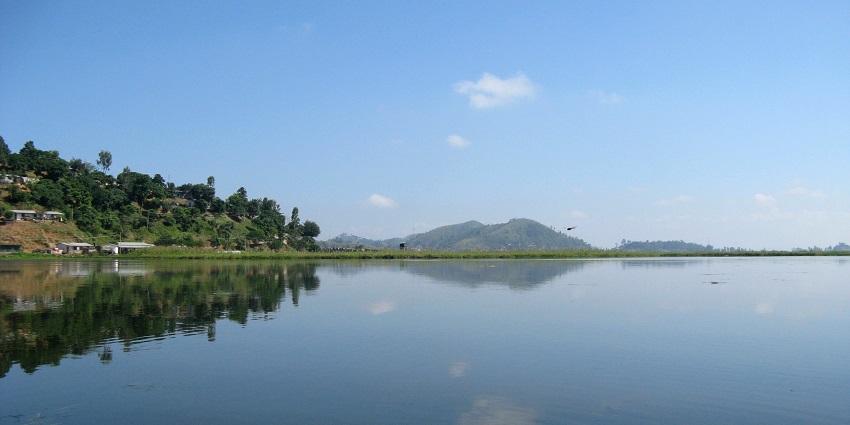
Imphal is one of those cities that carries more history, culture, and natural beauty per square kilometre than almost anywhere else in India. It is the capital of Manipur — the Jewel of India — and it earns that title completely. Ancient forts, a lake with floating islands, a market that has been run by women for five centuries, war graves that mark one of the most decisive battles of World War II, and a national park that floats on water — Imphal is not a city you can summarise in a list. This Manipur Imphal tour package from Divya Yatra takes you through the full depth of this extraordinary city and its surroundings at a pace that lets you actually absorb what you are seeing.
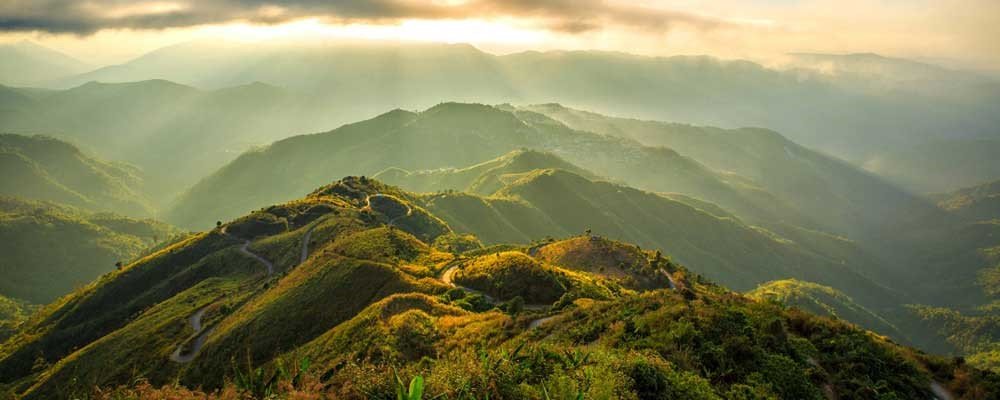
Imphal sits in the Imphal Valley — a broad, flat basin ringed by green hills on all sides — and has been continuously settled for centuries. It was the seat of the Meitei kingdom, the site of a Japanese advance that very nearly succeeded in reaching mainland India, and the home of a women's collective that has sustained its market for longer than most Indian cities have existed.
Most travellers who visit Imphal say the same thing — they had no idea it was this good. The city does not advertise itself loudly. It does not have the obvious visual drama of a Leh or Shillong. What it has instead is depth. Every site in Imphal has a story behind it that rewards the visitor who takes the time to understand it. Divya Yatra's Imphal tour package is designed around that depth — not a rushed checklist of stops but a genuine encounter with one of the most layered cities in Northeast India.
Kangla Fort is the most historically and spiritually significant site in Manipur. For centuries it served as the royal palace and administrative centre of the Meitei kings. It was later occupied by the British after 1891 and remained under military control until 2004 when it was finally returned to the people of Manipur. The handover was an emotional moment for the state and the fort has since been restored as a public heritage site.
Walking through Kangla today means walking through layers of Manipuri history that stretch back over a thousand years. The Kangla Sha — twin dragon figures guarding the main gate — are among the most iconic symbols of Meitei heritage. The temples within the fort complex, the ancient moat, the ceremonial grounds, and the Kangla museum all contribute to an experience that is genuinely moving. No visit to Imphal is complete without spending serious time here.
Ima Keithel translates as Mothers' Market in the Meitei language and it is exactly what the name suggests — a market conceived, built, and operated entirely by women for over 500 years. Located in the commercial heart of Imphal near Khwairamband Bazar, it is believed to be the largest market of its kind in the world. Thousands of women — known as Imas or mothers — occupy the market stalls daily, selling fresh vegetables, fruit, fish, handloom fabrics, traditional garments, spices, and household items.
The market is not just an economic institution. It is a symbol of Meitei women's agency and collective power that has survived colonial rule, wars, and modernisation without losing its essential character. Walking through Ima Keithel — watching the Imas conduct their business with complete authority over their space — is one of the most singular experiences available anywhere in India.
The Imphal War Cemetery is maintained by the Commonwealth War Graves Commission and contains the graves of over 1,600 Allied soldiers who died in and around Imphal during the Battle of Imphal in 1944. The battle — fought between Allied forces and the Imperial Japanese Army — was one of the most significant engagements of World War II in Asia and its outcome effectively ended Japan's ambitions of advancing into India.
The cemetery is immaculately maintained. Rows of white headstones set in manicured lawns, each bearing a name, a regiment, and a date, create a landscape of quiet grief that is unlike anything else in the Northeast. Many visitors find it unexpectedly affecting. Whether you have a personal connection to the history or not, standing here and understanding what happened in these hills in 1944 is an experience that stays with you.
Approximately 45 km south of Imphal, the town of Moirang holds a landmark moment in Indian independence history. It was here, on 14 April 1944, that the Indian National Army under Netaji Subhas Chandra Bose first hoisted the Indian tricolour on Indian soil. The INA Memorial and museum at Moirang commemorate this moment with exhibits covering the INA's formation, its campaigns, and the personalities who led it. For anyone with an interest in the Indian independence movement, Moirang is essential.
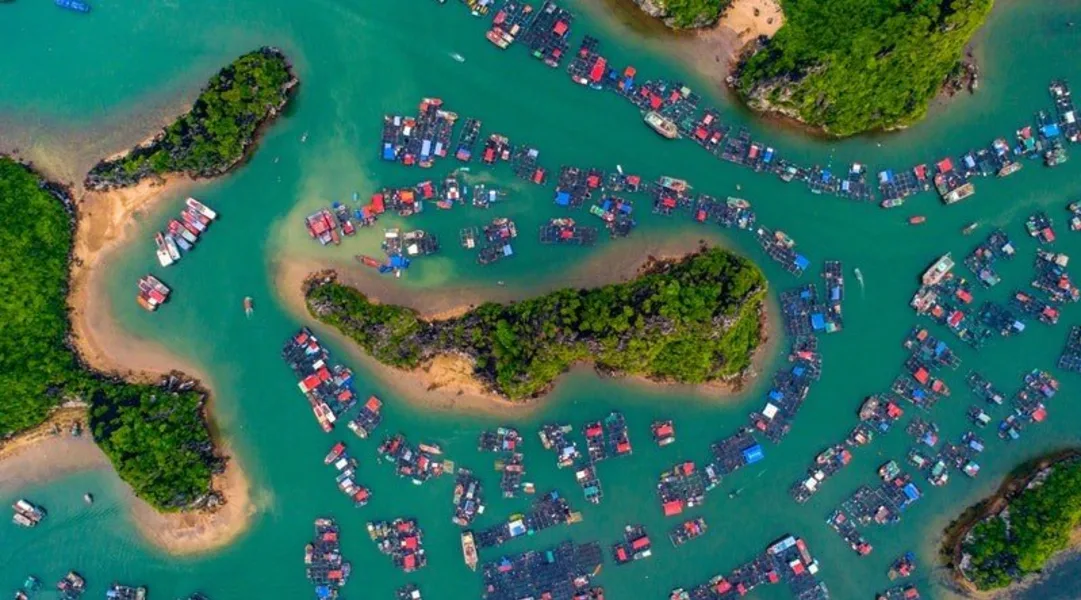
Loktak Lake, approximately 48 km from Imphal, is the largest freshwater lake in Northeast India and one of the most visually extraordinary landscapes in the country. The defining feature of Loktak is its phumdis — floating masses of vegetation, soil, and organic matter that drift across the lake surface in varying sizes. Some phumdis are small enough to step across. Others are large enough to support the homes and livelihoods of entire fishing communities who have lived on them for generations.
A boat ride on Loktak at dawn, when the mist hangs low over the water and the phumdis drift silently in the early light, is one of the most peaceful and beautiful experiences in the Northeast. The lake is also an important habitat for migratory birds and a range of freshwater species.
On the southern fringe of Loktak Lake sits Keibul Lamjao National Park — the only floating national park in the world. The park rests entirely on a dense mat of phumdis and is the last natural refuge of the Sangai — the brow-antlered deer and state animal of Manipur. The Sangai is one of the rarest deer species on Earth. Its population fell to critically low numbers in the mid-20th century before conservation efforts brought it back from the edge of extinction.
Seeing a Sangai in its natural habitat — moving with unusual grace across the swaying phumdis, antlers catching the early morning light — is an image that belongs to Manipur alone. No other place on Earth offers this sight. The park is also home to hog deer, otters, and a remarkable variety of waterbirds. A visit to Keibul Lamjao combined with a Loktak Lake boat ride makes for one of the finest half-day wildlife experiences available anywhere in Northeast India.
The Shree Govindajee Temple adjacent to the royal palace complex is the most important Vaishnavite temple in Manipur. Dedicated to Lord Govindajee — a form of Lord Vishnu — the temple is the spiritual centre of the Meitei community and draws devotees from across the state. The temple complex includes multiple shrines and holds daily rituals and devotional music sessions. The atmosphere is particularly special during evening aarti when the sounds of traditional Manipuri music and the glow of lamps fill the courtyard.
Imphal's food culture is entirely its own. Manipuri cuisine is built around fermented fish (ngari), black sesame seeds, bamboo shoots, and a variety of locally grown vegetables and herbs. Eromba — a dish of boiled vegetables mashed with fermented fish and chilli — is a staple. Singju, a fresh salad of finely shredded lotus stem, banana flower, and cabbage dressed with ngari and chilli, is a popular street food. Chamthong or Kangshoi is a light vegetable stew eaten daily in most Meitei homes. The food is clean, flavourful, and deeply rooted in the local ecology — a cuisine that reflects Manipur's relationship with its lake, forests, and hills.
Manipuri dance is one of the eight classical dance forms of India. Characterised by soft, fluid, circular movements and devotional themes drawn from Vaishnavism — particularly the Raas Leela of Radha and Krishna — it is a dance form of extraordinary refinement and spiritual depth. Performances can be witnessed at cultural events, festivals, and dedicated centres in Imphal. The Jawaharlal Nehru Manipur Dance Academy in Imphal is the primary institution for the training and preservation of classical Manipuri performing arts.
Held every November, the Sangai Festival is Manipur's flagship tourism and cultural event. Named after the state's beloved dancing deer, the festival spans a week and showcases the full breadth of Manipuri culture — indigenous music, classical and folk dance, handloom and handicraft exhibitions, traditional sports like Sagol Kangjei (polo, which originated in Manipur), and local cuisine. For travellers planning a Manipur Imphal tour, timing the visit to coincide with the Sangai Festival adds an entirely new dimension to the experience.
October to March is the ideal time for an Imphal tour.
The weather across the Imphal Valley is cool, dry, and clear — perfect for outdoor sightseeing, Loktak boat rides, and wildlife viewing at Keibul Lamjao.
November is the best single month to visit if possible, combining pleasant weather with the Sangai Festival.
April and May bring warmer temperatures but are good for those who want to witness the Shirui Lily bloom in Ukhrul district.
The monsoon from June to September brings heavy rainfall across Manipur and is generally not recommended for first-time visitors.
Imphal is served by Bir Tikendrajit International Airport with direct flights from Delhi, Kolkata, Guwahati, Bangalore, and other major Indian cities. It is the most convenient entry point for a Manipur tour and the airport is approximately 8 km from the city centre. Divya Yatra handles all airport transfers, local transport, and accommodation bookings as part of the package so that you arrive in Imphal ready to explore without any logistical stress.
Imphal is a city that gives more the more you look. Book your Manipur Imphal tour package with Divya Yatra and experience the forts, the floating lake, the mothers' market, and the quiet war graves of one of India's most extraordinary destinations.
Kangla Fort, Ima Keithel women's market, Imphal War Cemetery, Loktak Lake, Keibul Lamjao floating national park, and its central role in the Battle of Imphal during World War II
October to March for pleasant weather and clear skies. November is ideal for combining sightseeing with the Sangai Festival.
Bir Tikendrajit International Airport in Imphal has direct flights from Delhi, Kolkata, Guwahati, and Bangalore. It is the easiest way to begin a Manipur Imphal tour.
The world's largest market run entirely by women, operating in Imphal for over 500 years. It sells fresh produce, handloom fabrics, fish, and local goods — and is one of the most unique cultural experiences in India.
A Commonwealth War Graves Commission cemetery containing graves of over 1,600 Allied soldiers who died in the Battle of Imphal in 1944 — one of the decisive battles of World War II in Asia.
Yes. Imphal and its major tourist areas are safe and well-connected. Tourism infrastructure has developed significantly and visitors regularly report a warm and welcoming experience.

26 Packages

12 Packages

22 Packages
.png)
5 Packages

7 Packages

13 Packages
.png)
7 Packages

7 Packages
5 Packages
4 Packages
18 Packages
13 Packages
.jpg)
13 Packages
0 Packages
.jpeg)
4 Packages
2 Packages
23 Packages
19 Packages
5 Packages
.jpeg)
9 Packages
1 Packages
3 Night / 4 Days
6 Person
From
₹ 13,000.00
4 Night / 5 Days
6 Person
From
₹ 14,000.00
6 Night / 7 Days
6 Person
From
₹ 22,000.00
4 Night / 5 Days
6 Person
From
₹ 15,000.00
8 Night / 9 Days
6 Person
From
₹ 32,000.00
10 Night / 11 Days
6 Person
From
₹ 40,000.00
7 Night / 8 Days
6 Person
From
₹ 25,000.00

2 Night / 3 Days
6 Person
From
₹ 8,500.00
4 Night / 5 Days
6 Person
From
₹ 15,000.00
6 Night/ 7 Days
6 Person
From
₹ 22,000.00
9 Night / 10 Days
6 Person
From
₹ 31,000.00
5 Night/ 6 Days
6 Person
From
₹ 22,000.00
4 Night / 5 Days
6 Person
From
₹ 20,000.00
6 Night/ 7 Days
6 Person
From
₹ 22,000.00
3 Night / 4 Days
6 Person
From
₹ 12,500.00
8 Night / 9 Days
6 Person
From
₹ 28,000.00
4 Night / 5 Days
6 Person
From
₹ 15,500.00
2 Night / 3 Days
6 Person
From
₹ 9,500.00
5 Night/ 6 Days
6 Person
From
₹ 18,500.00
4 Night / 5 Days
6 Person
From
₹ 30,000.00
5 Night/ 6 Days
6 Person
From
₹ 250,000.00
2 Night / 3 Days
6 Person
From
₹ 6,500.00
Travelling with Divya Yatra Pvt. Ltd. was truly an exceptional experience. The team was not only professional but also genuinely caring and attentive to every detail. From start to finish, the journey was smooth, well-managed, and filled with memorable moments. Their commitment to quality service and customer satisfaction truly sets them apart. I wholeheartedly recommend Divya Yatra Pvt. Ltd. to anyone looking for a trustworthy and enriching travel experience.

excellent service Divya yatra pvt ltd thanks 👍
Our tour with Divya Yatra was a true cultural immersion.The guides passionate stories made history feel alive, leaving us with unforgettable memories and a deeper connection to the places we visited. really recommend.
Booked Kailash mansarovar tour ex Kathmandu best service hotel transport gouide
Very nice sarvice Gujarat tour .......good driver and very nice arrangement by tour agent Abhay ji
This is best travel Website ❤️
Booked chardham tour this travel company nice arrangements. Thanks
