7 Night / 8 Days
6 Person
From
₹ 25000.00
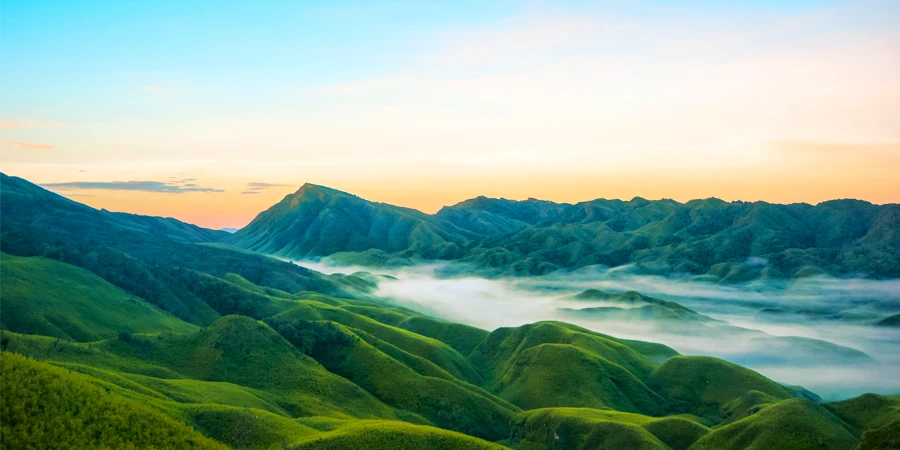
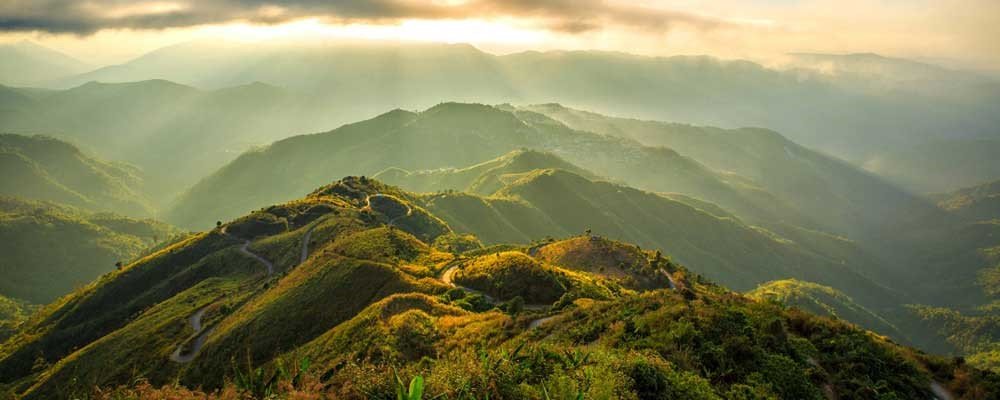
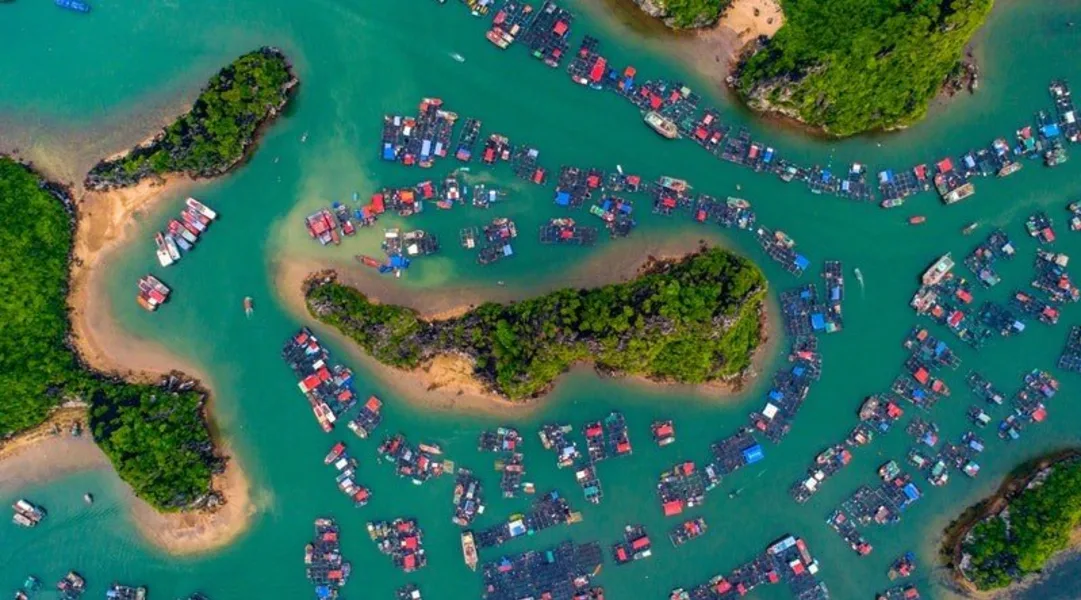
Manipur is one of the most underrated travel destinations in India. Called the Jewel of India by Jawaharlal Nehru, this small state in the Northeast packs an extraordinary amount into its boundaries — a lake with floating islands, the world's only floating national park, one of the rarest deer on Earth, ancient forts with deep historical scars, a market run entirely by women, and a border town that opens a window into Myanmar. This Manipur tour package from Divya Yatra is built for travellers who want to go beyond the obvious and experience a part of India that most people have never seen. Every Northeast state has its own identity, but Manipur occupies a particularly unique space. Its Imphal Valley, surrounded on all sides by green hills, has been the site of some of the most significant battles of World War II — battles that changed the course of the war in Asia. Its lake is not just a lake but a living, shifting ecosystem of floating vegetation that has supported communities and wildlife for centuries. Its state animal — the Sangai deer — dances on these floating islands and exists nowhere else in the wild. Its women have run a market in Imphal for over 500 years without male participation. This is a destination with extraordinary layers — historical, ecological, cultural, and natural — and every layer rewards the curious traveller. Imphal is the capital of Manipur and the starting point of this tour. The city carries the weight of history more visibly than most Indian cities. Kangla Fort, once the seat of the Meitei kings and later occupied by the British, is among the most historically significant sites in the Northeast. Its restored grounds, ancient temples, and the symbolic Kangla Sha dragon figures at the entrance offer a genuine connection to Manipur's royal past. The Ima Keithel — or Mother's Market — at the centre of Imphal is one of the most remarkable markets in Asia. Operated entirely by women, it has run continuously for over 500 years and remains a living institution of Meitei women's economic independence. Thousands of women vendors sell everything from fresh produce and handloom fabrics to fish and household goods in a market that has no parallel anywhere in India. The Imphal War Cemetery, maintained by the Commonwealth War Graves Commission, is a deeply moving site. Thousands of Allied soldiers who died in the Battle of Imphal in 1944 — one of the turning points of World War II in Asia — are buried here in rows of white headstones set in immaculate grounds. The INA Memorial at Moirang, approximately 45 km from Imphal, marks the site where the Indian National Army first hoisted the Indian tricolour on Indian soil in 1944. Loktak Lake, approximately 48 km from Imphal, is the largest freshwater lake in Northeast India and one of the most extraordinary natural landscapes in the country. What makes it unique is the presence of phumdis — floating masses of vegetation, soil, and organic matter that drift slowly across the lake surface. These phumdis range in size from small patches to islands large enough to support communities of fishermen who have built their homes and lived on them for generations. A boat ride across Loktak at dawn or dusk — with the mist lifting off the water, the phumdis drifting in the distance, and the surrounding hills reflected in the surface — is one of those travel experiences that is genuinely difficult to describe. The lake is also home to significant bird life, including migratory species that arrive through winter months. Keibul Lamjao National Park sits on the southern edge of Loktak Lake and is the only floating national park in the world. The park itself rests on a dense mat of phumdis and is home to the Sangai — the brow-antlered deer and the state animal of Manipur. The Sangai is one of the rarest deer species in the world, with a population that came dangerously close to extinction in the 20th century before conservation efforts stabilized it. Watching a Sangai move gracefully across the swaying phumdis is an image that stays with you permanently. The park is also home to hog deer, otters, and a rich variety of waterbirds. The entire ecosystem — wildlife living on floating vegetation on a floating lake — is something that exists nowhere else on Earth. Moreh, approximately 110 km from Imphal on the India-Myanmar border, is one of the most fascinating border towns in the country. It sits at the edge of India's Look East policy and serves as a key trading point between the two nations. The town has a distinct cross-border energy — Myanmar traders, Manipuri merchants, and travellers from both sides mix freely in its busy market lanes. The Friendship Bridge over the Tamu-Moreh border is a striking symbol of the India-Myanmar bilateral relationship. For travellers interested in borders, trade routes, and cultural crossroads, Moreh is unlike anything in mainland India. Ukhrul district in the northeastern hills of Manipur is one of the most scenic and least visited areas in the state. It is home to the Shirui Lily — a rare and endangered flower that grows only on Shirui Peak and nowhere else in the world. The Shirui Lily Festival held every April to May celebrates this unique bloom and draws visitors from across the country. Khangkhui Cave, a natural limestone cave near Ukhrul town, is another highlight — a large cavern with impressive formations and local historical significance. The Tangkhul Naga communities of Ukhrul district maintain rich weaving traditions and a distinct cultural identity that makes the district worth a dedicated visit. Manipur's cultural life is as layered as its landscape. The Meitei community of the Imphal Valley has a classical dance tradition — Manipuri dance — that is recognised as one of the eight classical dance forms of India. Characterised by fluid, circular movements and devotional themes drawn from Vaishnavism, Manipuri dance is performed at temples, festivals, and cultural events throughout the year. The hill districts of Manipur are home to multiple Naga and Kuki-Zo tribes, each with their own language, weaving tradition, music, and festival calendar. The Sangai Festival, held annually in November, is Manipur's flagship cultural event — a week-long celebration of the state's indigenous art, craft, music, dance, sports, and cuisine that draws visitors from across India and abroad. Manipuri cuisine is a cuisine of restraint and depth — fermented fish (ngari), black sesame, bamboo shoots, and a range of locally grown vegetables form the backbone of a food tradition that is entirely distinct from both mainland Indian cooking and the cuisines of neighbouring Northeast states. October to March is the best time to visit Manipur. Manipur is a destination that rewards the traveller who takes the time to look closely. Book your Manipur tour package with Divya Yatra and discover the floating lakes, ancient forts, rare wildlife, and living culture of the Jewel of India.Manipur Tour Package — Imphal, Loktak Lake, Keibul Lamjao & Beyond
Why Manipur is Unlike Any Other Northeast State
Places Covered in This Manipur Tour Package
Imphal — The Heart of Manipur
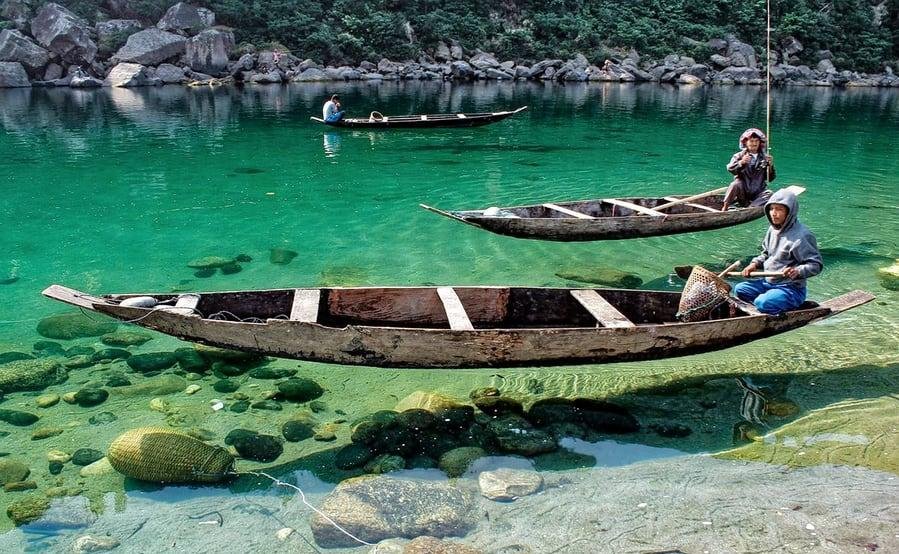
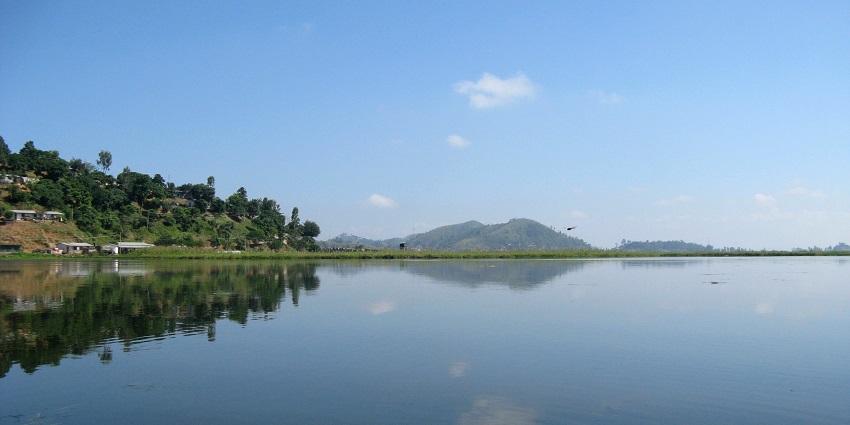
Loktak Lake — The Floating Lake
Keibul Lamjao National Park — The Floating National Park
Moreh — The India-Myanmar Border Town
Ukhrul — Hills, Flowers and Caves
The Culture and People of Manipur
Best Time to Visit Manipur
The weather across the Imphal Valley is cool and dry
Visibility is excellent for wildlife sightings at Keibul Lamjao, the roads to Ukhrul and Moreh are in good condition.
November is particularly good for the Sangai Festival.
April and May bring the blooming of the Shirui Lily at Ukhrul — a rare seasonal window worth planning around if the itinerary allows.
The monsoon from June to September brings heavy rainfall, especially in the hill districts, and makes some roads difficult.
Loktak Lake, Keibul Lamjao National Park, Kangla Fort, Ima Keithel market, INA Memorial at Moirang, Moreh border town, and Ukhrul district are the key highlights.
October to March for pleasant weather and wildlife sightings. April to May for the Shirui Lily bloom at Ukhrul and the Sangai Festival in November.
Indian citizens do not need a permit for Imphal and most tourist areas. Certain border zones near Moreh may require additional documentation. Foreign nationals need a Protected Area Permit.
It is the largest freshwater lake in Northeast India, known for its floating phumdis and as the location of Keibul Lamjao — the world's only floating national park.
The Sangai or brow-antlered deer is the state animal of Manipur and one of the rarest deer in the world. It lives exclusively on the floating phumdis of Keibul Lamjao National Park.
5 to 6 days comfortably covers Imphal, Loktak Lake, Keibul Lamjao, and either Moreh or Ukhrul. 7 days allows both.

26 Packages

12 Packages

22 Packages
.png)
5 Packages

7 Packages

13 Packages
.png)
7 Packages

7 Packages
5 Packages
4 Packages
18 Packages
13 Packages
.jpg)
13 Packages
0 Packages
.jpeg)
4 Packages
2 Packages
23 Packages
19 Packages
5 Packages
.jpeg)
9 Packages
1 Packages
3 Night / 4 Days
6 Person
From
₹ 13,000.00
4 Night / 5 Days
6 Person
From
₹ 14,000.00
6 Night / 7 Days
6 Person
From
₹ 22,000.00
4 Night / 5 Days
6 Person
From
₹ 15,000.00
8 Night / 9 Days
6 Person
From
₹ 32,000.00
10 Night / 11 Days
6 Person
From
₹ 40,000.00

7 Night / 8 Days
6 Person
From
₹ 25,000.00
2 Night / 3 Days
6 Person
From
₹ 8,500.00
4 Night / 5 Days
6 Person
From
₹ 15,000.00
6 Night/ 7 Days
6 Person
From
₹ 22,000.00
9 Night / 10 Days
6 Person
From
₹ 31,000.00
5 Night/ 6 Days
6 Person
From
₹ 22,000.00
4 Night / 5 Days
6 Person
From
₹ 20,000.00
6 Night/ 7 Days
6 Person
From
₹ 22,000.00
3 Night / 4 Days
6 Person
From
₹ 12,500.00
8 Night / 9 Days
6 Person
From
₹ 28,000.00
4 Night / 5 Days
6 Person
From
₹ 15,500.00
2 Night / 3 Days
6 Person
From
₹ 9,500.00
5 Night/ 6 Days
6 Person
From
₹ 18,500.00
4 Night / 5 Days
6 Person
From
₹ 30,000.00
5 Night/ 6 Days
6 Person
From
₹ 250,000.00
2 Night / 3 Days
6 Person
From
₹ 6,500.00
Travelling with Divya Yatra Pvt. Ltd. was truly an exceptional experience. The team was not only professional but also genuinely caring and attentive to every detail. From start to finish, the journey was smooth, well-managed, and filled with memorable moments. Their commitment to quality service and customer satisfaction truly sets them apart. I wholeheartedly recommend Divya Yatra Pvt. Ltd. to anyone looking for a trustworthy and enriching travel experience.

excellent service Divya yatra pvt ltd thanks 👍
Our tour with Divya Yatra was a true cultural immersion.The guides passionate stories made history feel alive, leaving us with unforgettable memories and a deeper connection to the places we visited. really recommend.
Booked Kailash mansarovar tour ex Kathmandu best service hotel transport gouide
Very nice sarvice Gujarat tour .......good driver and very nice arrangement by tour agent Abhay ji
This is best travel Website ❤️
Booked chardham tour this travel company nice arrangements. Thanks
